

FAQ About Tanzanite Gemstones
Answer: Tanzanite is a blue to violet variety of the mineral zoisite, discovered only in Tanzania. It is renowned for its stunning, rich color and is a relatively recent addition to the gemstone world, having been discovered in 1967.
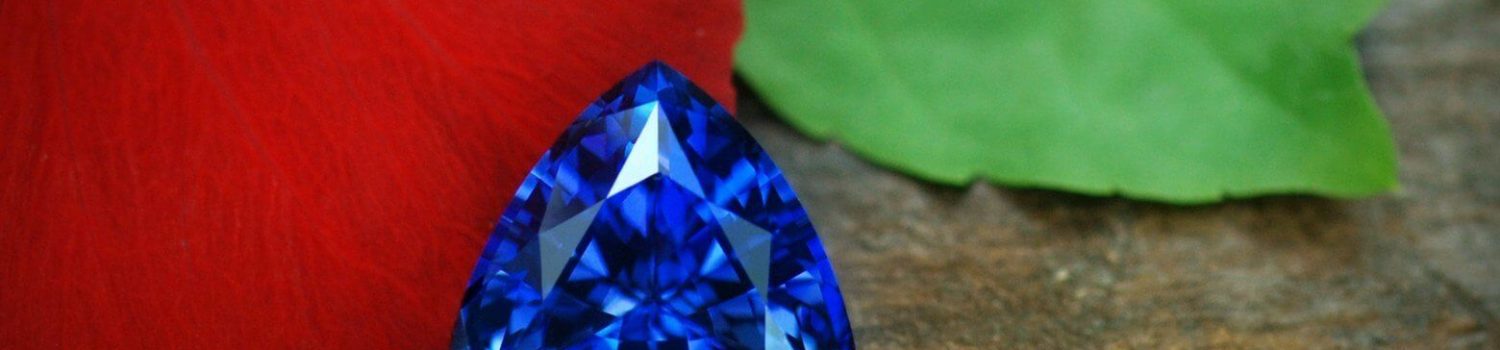
Answer: Tanzanite primarily comes in shades of blue and violet, ranging from light to deep, rich hues. The color can vary depending on the cut and light exposure, with the most prized stones displaying a vivid blue or violet-blue.
Answer: Tanzanite has a hardness of 6 to 7 on the Mohs scale, making it relatively soft compared to other gemstones like sapphire or ruby. It is suitable for use in jewelry but should be handled with care to avoid scratches and damage.
Answer: Yes, tanzanite is one of the modern birthstones for December, along with turquoise and zircon. Its vibrant color makes it a popular choice for those born in December.
Answer: Yes, most tanzanites are treated with heat to enhance their color, which is a common and accepted practice in the gemstone industry. This treatment is stable and does not significantly affect the gemstone’s value.
Answer: Tanzanite is exclusively found in a small mining area near Mount Kilimanjaro in Tanzania. This unique locality makes it a rare and precious gemstone.
Answer: Tanzanite is graded based on its color, clarity, cut, and carat weight. The most important factor is color, with stones exhibiting a deep, intense blue or blue-violet hue being the most valuable.
Answer: To maintain the beauty of your tanzanite, avoid exposing it to harsh chemicals and extreme temperatures. Clean it gently with a soft cloth and mild soap and water. Store it separately from other gemstones to prevent scratches.
Answer: The value of tanzanite depends on factors like color, clarity, cut, and carat weight. High-quality tanzanite with a deep, vivid blue or violet-blue color and minimal inclusions can be quite valuable. Prices can vary significantly based on these attributes.
Answer: Tanzanite is considered rare due to its limited geographic source—Tanzania. The deposit is relatively small, and the mining area is challenging to access, which contributes to its rarity and exclusivity.